The South Africa real estate market is one of the most developed and diverse property markets in Africa. It offers a wide range of opportunities, from affordable residential homes and luxury properties to commercial buildings, farmland, and tourism-focused real estate. For both local and international buyers, South Africa stands out due to its strong legal framework, established banking system, and relatively attractive property prices compared to many global markets.
This guide provides a clear overview of South Africa real estate, including property types, current trends, investment opportunities, buying procedures, risks, and the future outlook.
Overview of the South Africa Real Estate Market
South Africa has a mature property market supported by well-defined property laws and a transparent land registration system. Major cities such as Johannesburg, Cape Town, Durban, and Pretoria dominate the market, while secondary cities and coastal towns continue to gain popularity.
In recent years, the market has faced challenges such as economic pressure, interest rate changes, and power supply issues. Despite this, real estate remains a preferred long-term investment due to population growth, urban expansion, and steady rental demand.
Types of Real Estate in South Africa
1. Residential Real Estate
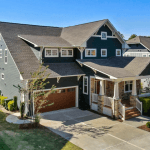
Residential property is the largest segment and includes:
- Freehold houses
- Apartments and flats
- Townhouses
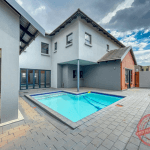
- Gated community homes
Urban centers and coastal areas attract strong demand, especially from young professionals, families, and retirees.
2. Commercial Real Estate
Commercial properties include:
- Office buildings
- Retail shops and malls
- Business parks
- Mixed-use developments
The commercial sector is adapting to flexible workspaces and smaller office footprints due to hybrid work trends.
3. Industrial Real Estate
Industrial properties cover:
- Warehouses
- Factories
- Distribution centers
Growth in logistics, e-commerce, and regional trade has increased demand for industrial spaces, particularly near transport hubs.
4. Agricultural and Land Property
South Africa has a large agricultural sector. Farmland and undeveloped land attract investors interested in farming, renewable energy, or long-term development projects.
Key Trends in the South Africa Property Market
Affordability Compared to Global Markets
Property prices in South Africa remain relatively affordable when compared to Europe, North America, and parts of Asia. This makes the market attractive to foreign buyers seeking value.
Growth of Secure Living
Gated estates, security complexes, and managed communities are increasingly popular due to safety concerns. Buyers prioritize properties with strong security features.
Coastal and Lifestyle Property Demand
Areas like Cape Town, Western Cape, Garden Route, and KwaZulu-Natal coast are in high demand for lifestyle living, holiday homes, and short-term rentals.
Increased Rental Demand
Rising interest rates and high living costs have pushed more people toward renting, supporting stable rental yields in well-located properties.
Why Invest in South Africa Real Estate?
South Africa offers several advantages for property investors:
- Well-established property rights
- No restrictions on foreign property ownership
- Relatively low entry prices
- High rental demand in major cities
- Favorable exchange rates for foreign buyers
- Strong legal and banking systems
Foreign investors can purchase property in South Africa with minimal limitations, making it one of the most open real estate markets in Africa.
Popular Cities and Regions for Real Estate Investment
Cape Town
Cape Town is the most sought-after property market in South Africa. It offers strong capital appreciation, high rental demand, and international buyer interest.
Johannesburg
As the country’s financial hub, Johannesburg provides diverse investment options, including residential rentals, office space, and mixed-use developments.
Durban
Durban attracts buyers looking for affordable coastal property and tourism-related investments.
Pretoria
Pretoria offers stable residential demand, government-related employment, and more affordable housing options.
Western Cape
The Western Cape region continues to outperform many other provinces due to better infrastructure, governance, and lifestyle appeal.
Buying Property in South Africa: Step-by-Step Process
- Determine Your Budget
Consider purchase price, taxes, legal fees, and maintenance costs. - Choose the Right Location
Research growth potential, rental demand, safety, and infrastructure. - Engage a Real Estate Agent
Licensed agents assist with negotiations and legal procedures. - Make an Offer to Purchase
This is a legally binding document once accepted. - Secure Financing
Buyers can pay cash or apply for a mortgage. Foreign buyers usually need a higher deposit. - Property Transfer
Attorneys handle the title deed registration through the Deeds Office. - Final Handover
Ownership transfers once registration is completed.
The process typically takes 6–10 weeks.
Costs and Taxes in South Africa Real Estate
Key costs include:
- Purchase price
- Transfer duty (for properties above a certain value)
- Legal and conveyancing fees
- Bond registration fees (if financed)
- Property rates and municipal charges
- Home insurance and maintenance
South Africa does not charge annual property ownership tax at the national level, but municipalities levy local rates.
Rental Market and Income Potential
Rental income is a major attraction for investors. Rental yields vary by location but are generally competitive compared to many global markets.
Property management companies are widely available and typically charge 8–12% of monthly rent, handling tenant placement, rent collection, and maintenance.
Short-term rentals in tourist areas can generate higher returns but may require more active management.
Risks in the South Africa Real Estate Market
While opportunities are strong, investors should be aware of potential risks:
- Economic uncertainty
- Interest rate fluctuations
- Infrastructure and power supply issues
- Location-specific crime concerns
- Currency volatility for foreign investors
Careful location selection and long-term planning help manage these risks effectively.
Future Outlook of South Africa Real Estate
The long-term outlook for South Africa real estate remains cautiously optimistic. Housing demand continues to grow due to urbanization and population growth. Infrastructure upgrades, renewable energy projects, and private-sector developments are expected to support future market stability.
Lifestyle properties, rental-focused developments, and energy-efficient homes are likely to shape the next phase of growth.
Final Thoughts
The South Africa real estate market offers strong value, diverse investment options, and accessible entry points for both local and international buyers. While challenges exist, the country’s established legal framework, attractive pricing, and growing rental demand continue to support long-term investment potential.
Success in South African real estate depends on choosing the right location, understanding local regulations, and maintaining a long-term perspective. For investors willing to do proper research, South Africa remains one of the most promising property markets in Africa.
If you want, I can also write:
- South Africa real estate investment guide for foreigners
- Best cities for rental income in South Africa
- Commercial real estate opportunities in South Africa
- Step-by-step buying guide for foreign investors